Featured Resources
Board Statement on Inclusion, 2015
"Catholics with disabilities, like all Catholics, are incorporated in the Body of Christ as integral members. They, like any other member, belong to the faith community."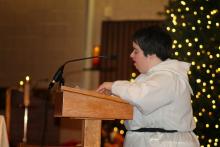
Language: A powerful tool for parish hospitality
Words can sustain negative stigma and myths or they can communicate respect and sensitivity. When you meet a person with a disability, choose words that say what you mean--that you see them first as a person with many abilities. Talk to the person directly, instead of their companion or interpreter.
The Gift of Giving
Many people with disabilities are remembered especially during the season of Advent as needy recipients of charity. Families, parishioners, and coworkers look for opportunities to buy gifts for those less fortunate, less healthy, and less wealthy. The able-bodied become the designated "givers" and the disabled become the designated "receivers".
How to Help a Person Experiencing a Mental Illness
- Tips to help a person experiencing mental illness - Warning signs that may indicate mental illness
Child & Adolescent Mental Health
Learn about the warning signs, causes, and treatments for mental health illnesses in youth and young adults.
Interacting with People with Vision Loss
20.6 million American adults are blind or living with vision loss that is not corrected by wearing glasses or contact lenses (National Health Interview Survey 2012). The following are some tips to facilitation interaction among people with and without 20/20 vision.
Handout: The Person with Mental Illness
Ways to create a pro-life culture with persons living with mental illness.
Pastoral Statement of U.S. Catholic Bishops on Persons with Disabilities
This USCCB pastoral statement (1978) uses language to describe disability that is now outdated. Read the NCPD document, “Speaking of Disability: Pastoral Guidelines on Language” for information about appropriate language. November 16, 1978
Inclusive Registration Forms - Cincinnati
To be used with students with disabilities to record method of communication, medical information, skills, specific concerns.Inclusive Registration Forms - Orange
Sample questions to be included in the registration form for all students in the religious education programs Permission to photographPlacement
Records the placement agreed upon by the parents, inclusion coordinator, and catechist. Placement is to be reviewed annually or as otherwise indicated.
Classroom Team Interview
Records the outcome of the interview following the classroom observation in order to provide positive support for classroom volunteers and additional tips and training, if needed.
Planning Meeting
Used to evaluate the year and provide information for the next catechist as to the strengths of the student and teaching methods that have been helpful.Quotes from Church Statements
Here is a collection of quotes from Church statement regarding disability.Individual Religious Education Plan
This pdf form helps parish religious education staff assist the family by providing religious education instruction that takes into consideration the student' s special needs.- ‹ previous
- 2 of 4
- next ›
NCPD Statement on Health Care Reform (H.R. 3590), 2009
"The National Catholic Partnership on Disability (NCPD) applauds the 240 members of Congress who supported The Stupak-Pitts Amendment in the US House of Representatives’ Health Care Reform proposal (H.R. 3962). This amendment would permanently prevent the funding of abortion within the public option of the plan."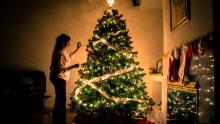
Happy Kids for Christmas
It’s typical for children to become over stimulated and stressed with all the activities surrounding the holiday season. Children with social and behavioral challenges may have the most difficulty adapting to schedule changes, visits to unfamiliar places, and introductions to new people and foods. The following tips give parents and caregivers some ways to maintain the joy of the season.- ‹ previous
- 2 of 2